
Automotive Thermal Cameras for Safer ADAS and AEB
Build safer, smarter vehicles with Teledyne FLIR OEM thermal imaging solutions—now featuring Tura™, the first ASIL-B LWIR thermal camera for ADAS and autonomous platforms.
Thermal cameras extend perception beyond headlights and help detect pedestrians, cyclists, animals, and other road users in darkness, glare, and other challenging visibility conditions. Teledyne FLIR OEM supports automotive manufacturers and Tier-1 suppliers with thermal camera modules, perception software, and development tools.
Why Thermal Cameras Matter for ADAS & Autonomous Vehicles
Teledyne FLIR OEM automotive thermal imaging cameras provide an additional source of perception data for advanced driver assistance and autonomous vehicle systems. Teledyne FLIR OEM has equipped more than one million vehicles with thermal sensors for night vision systems and provides proven thermal sensing technology to help OEMs support ADAS development for pedestrian automatic emergency braking and other safety functions.
For vehicle OEMs and Tier-1 suppliers evaluating thermal imaging for cars, these systems can help improve perception in low-visibility and high-glare conditions. In this context, an automotive infrared camera can add useful perception data where visible-light systems are more limited.
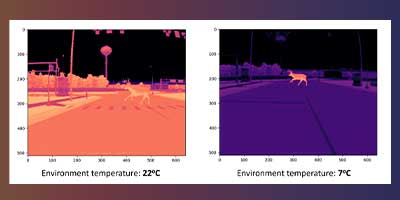
Unlike visible cameras, thermal cameras detect differences in heat rather than relying on reflected light. This helps identify pedestrians, cyclists, animals, and other road users beyond the reach of headlights and in complete darkness, headlight glare, sun glare, shadows, and many fog conditions.
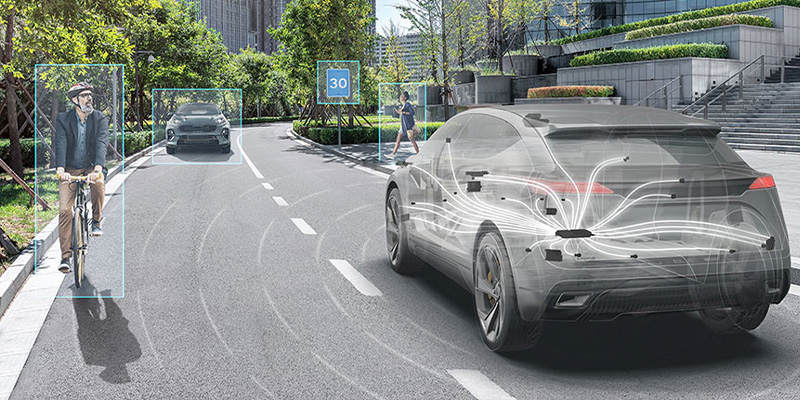
Thermal cameras complement visible cameras, radar, and lidar. As part of a multispectral sensor-fusion architecture, they can support detection, classification, and pedestrian automatic emergency braking.
Benefits of Teledyne FLIR Thermal Cameras
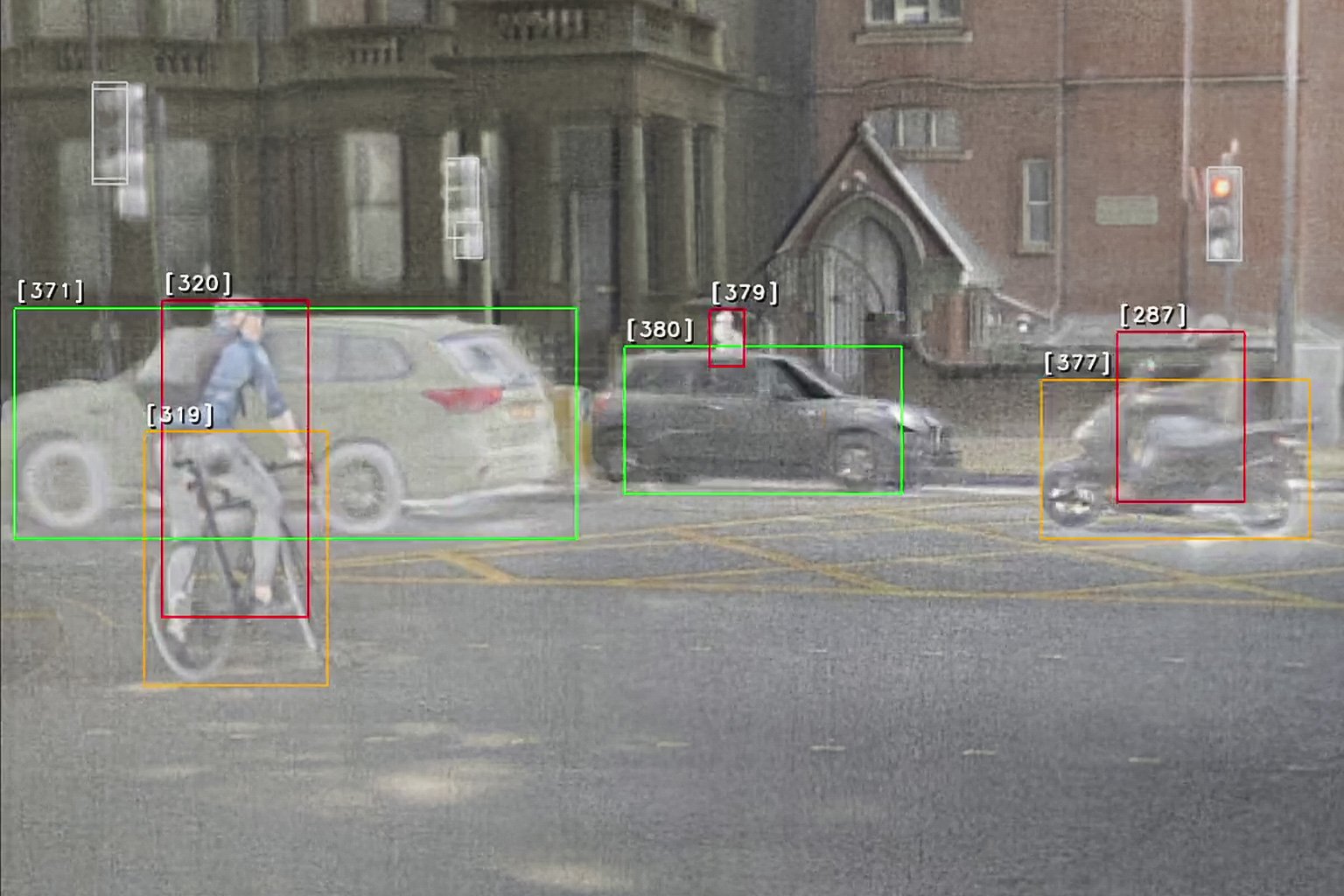
Safety
Thermal cameras support detection of pedestrians, cyclists, animals, and other vulnerable road users during daytime and nighttime operation, including conditions where visible contrast is limited. They help extend perception beyond headlights and support operation in darkness, sunlight, headlight glare, shadows, and many fog conditions.
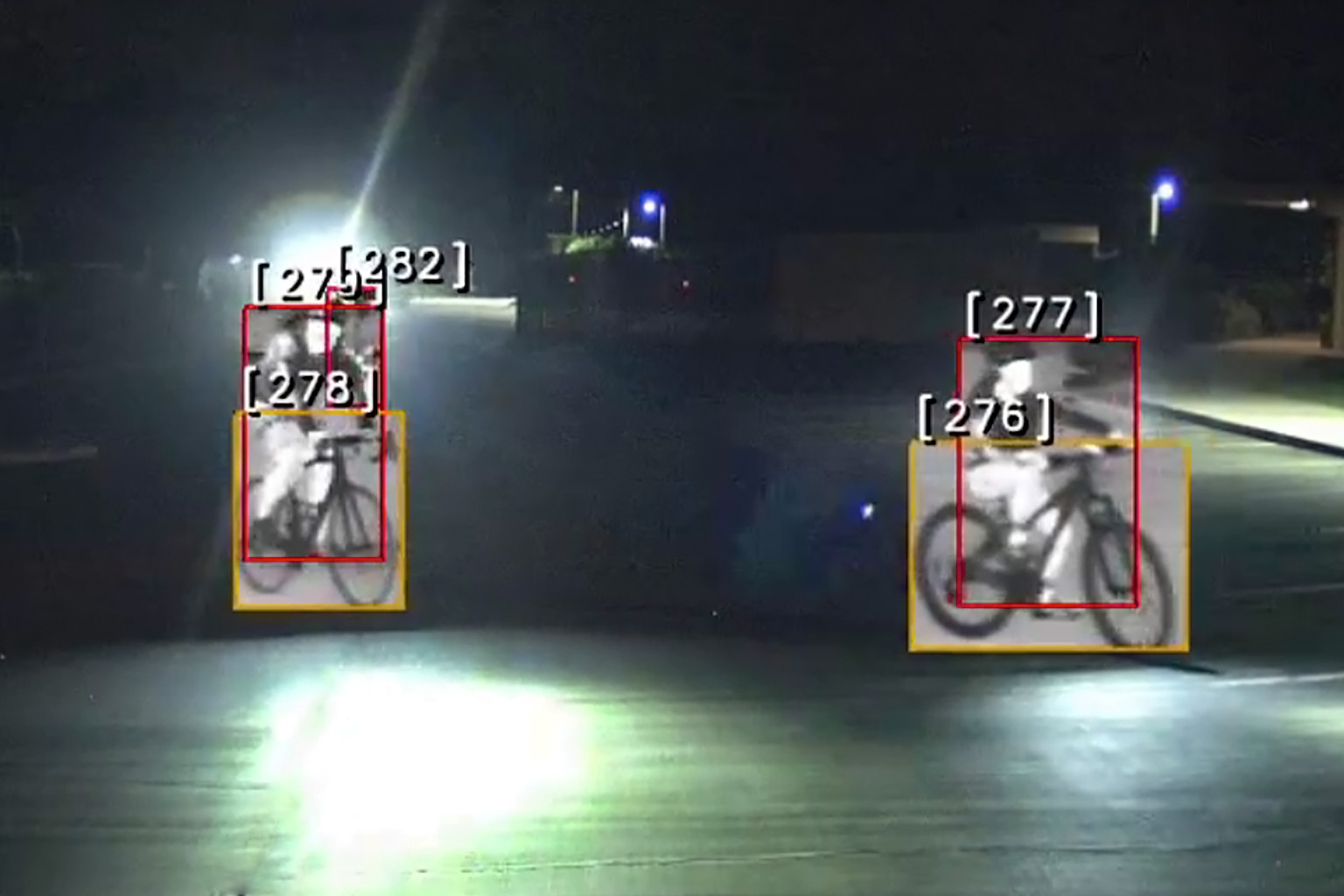
Smarter
Thermal imagery helps fill performance gaps where existing vision sensors are more challenged. It can complement visible cameras, radar, and lidar within a multispectral sensor-fusion architecture to support object detection, classification, and perception development.
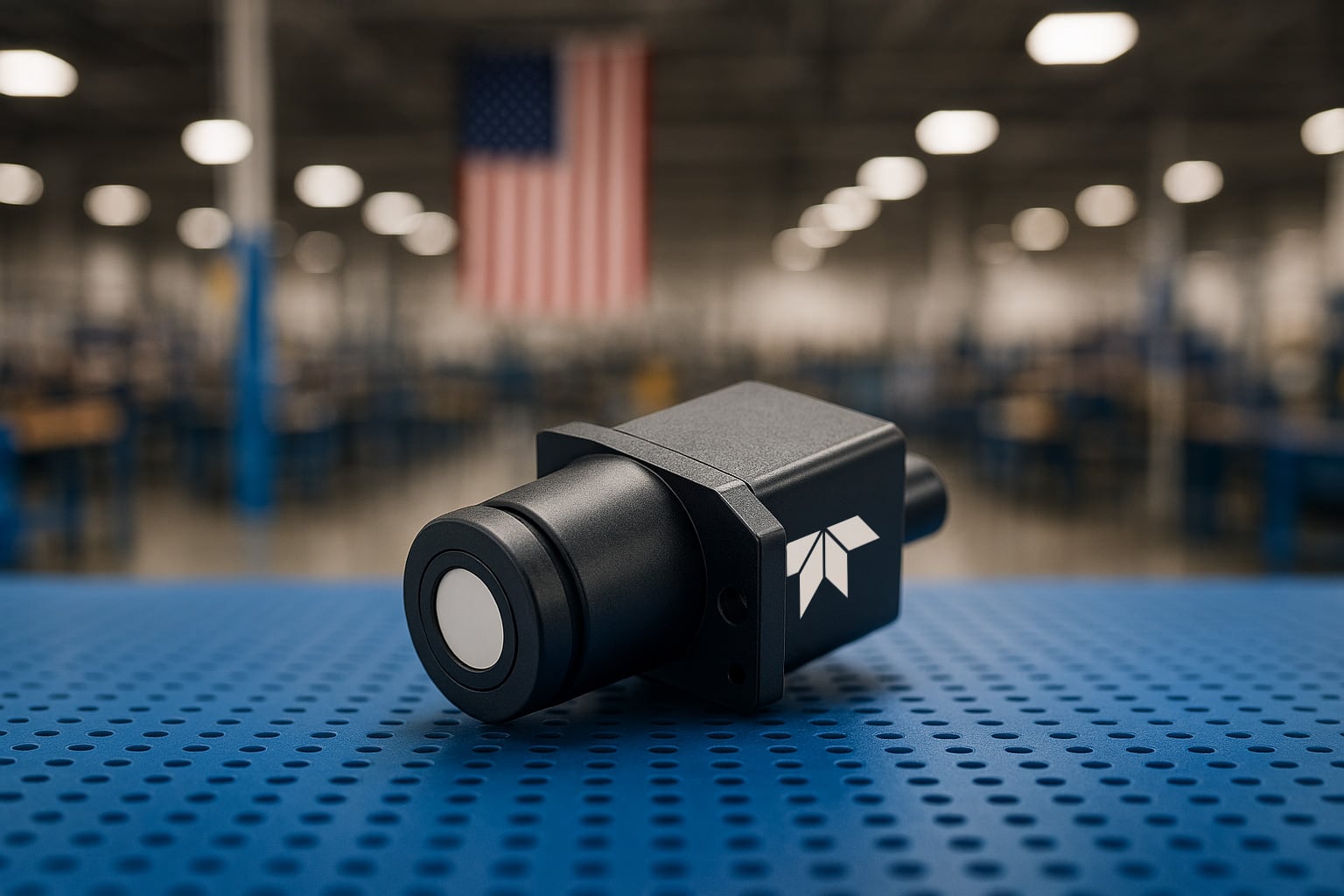
Secure
Teledyne FLIR OEM brings long experience in thermal imaging and automotive integration. The company has produced more than one million automotive-qualified thermal sensors for vehicle night vision applications and supports automotive programs with production-focused thermal sensing technology.
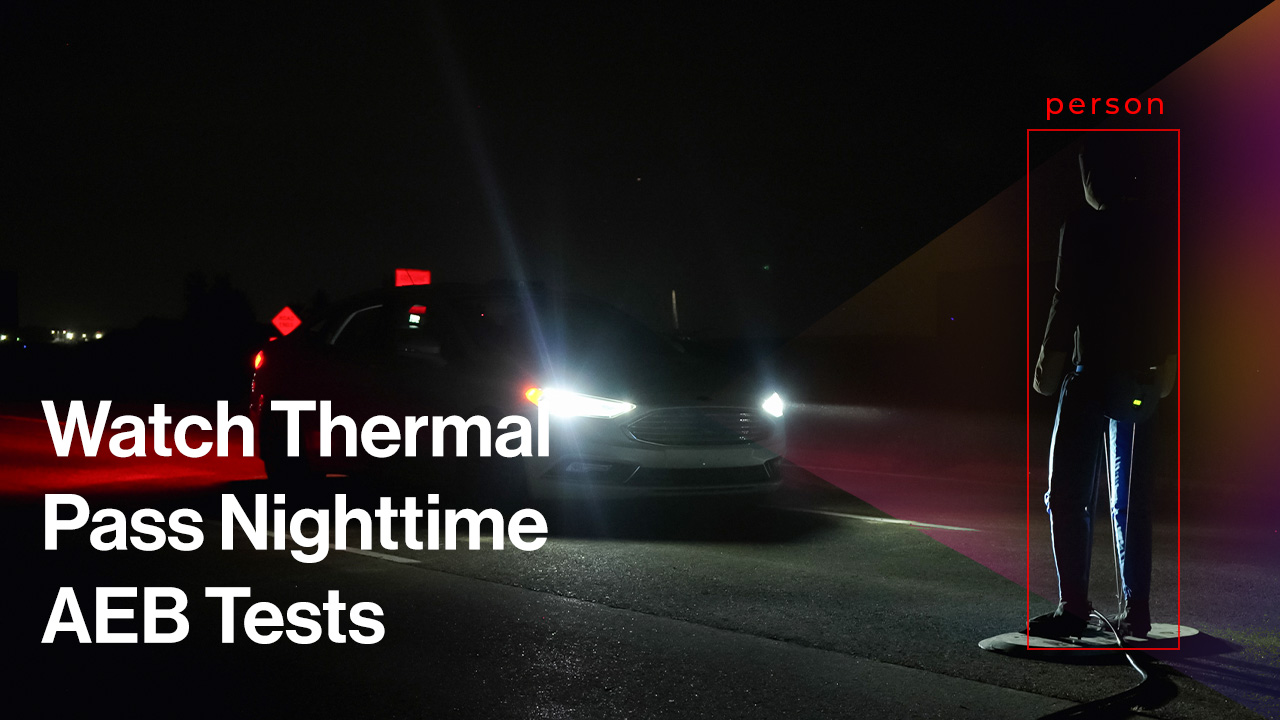
Thermal-Fused Automatic Emergency Braking Test Report
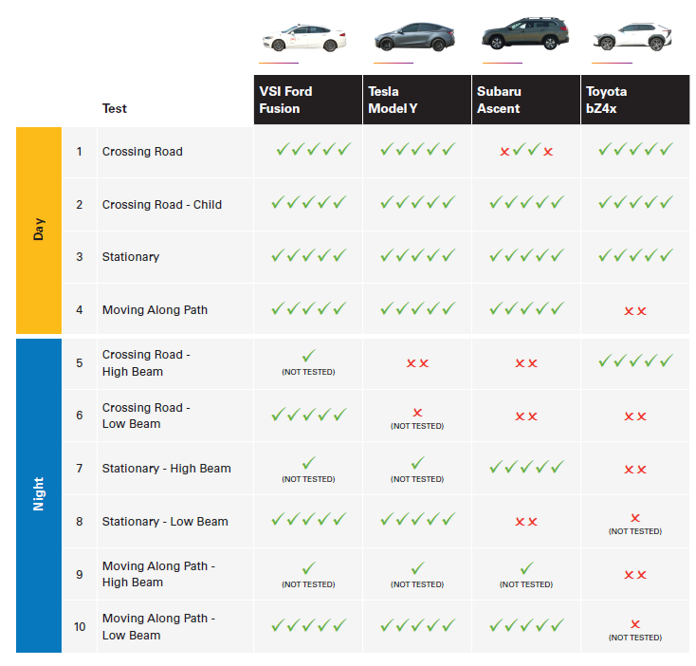
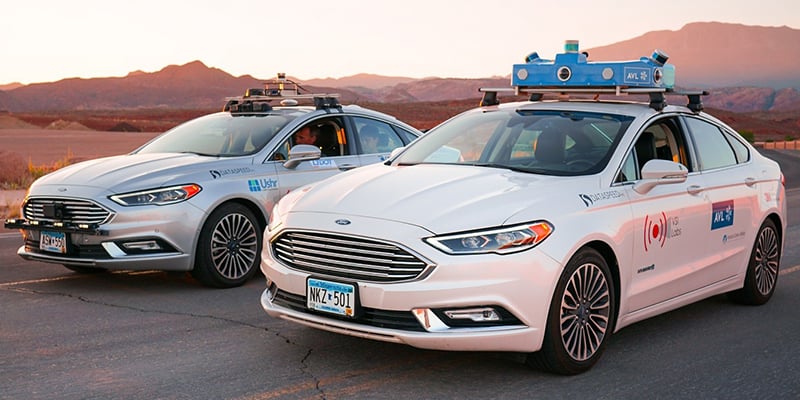
Pedestrian automatic emergency braking testing conducted by VSI Labs showed that its thermal-fused AEB test vehicle passed all FMVSS No. 127 tests conducted during the program, in daytime and nighttime conditions.
Three leading 2024-model AEB systems tested during the same program failed one or more nighttime scenarios. The results demonstrate how thermal sensing can provide additional perception data when visible-light systems face challenging conditions.
The results apply to the tested vehicle, system configuration, and scenarios. Vehicle-level performance depends on the complete sensor architecture, perception software, integration, and braking system.
Meet our Customers and Partners
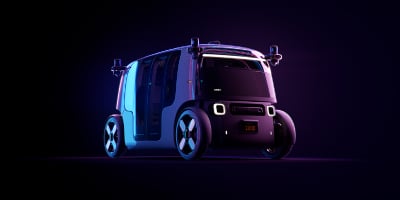
Teledyne FLIR OEM works with automotive technology companies, developers, and testing organizations across thermal sensing, simulation, perception, and vehicle integration.





Products and Solutions
NEW: Tura Automotive Thermal Camera
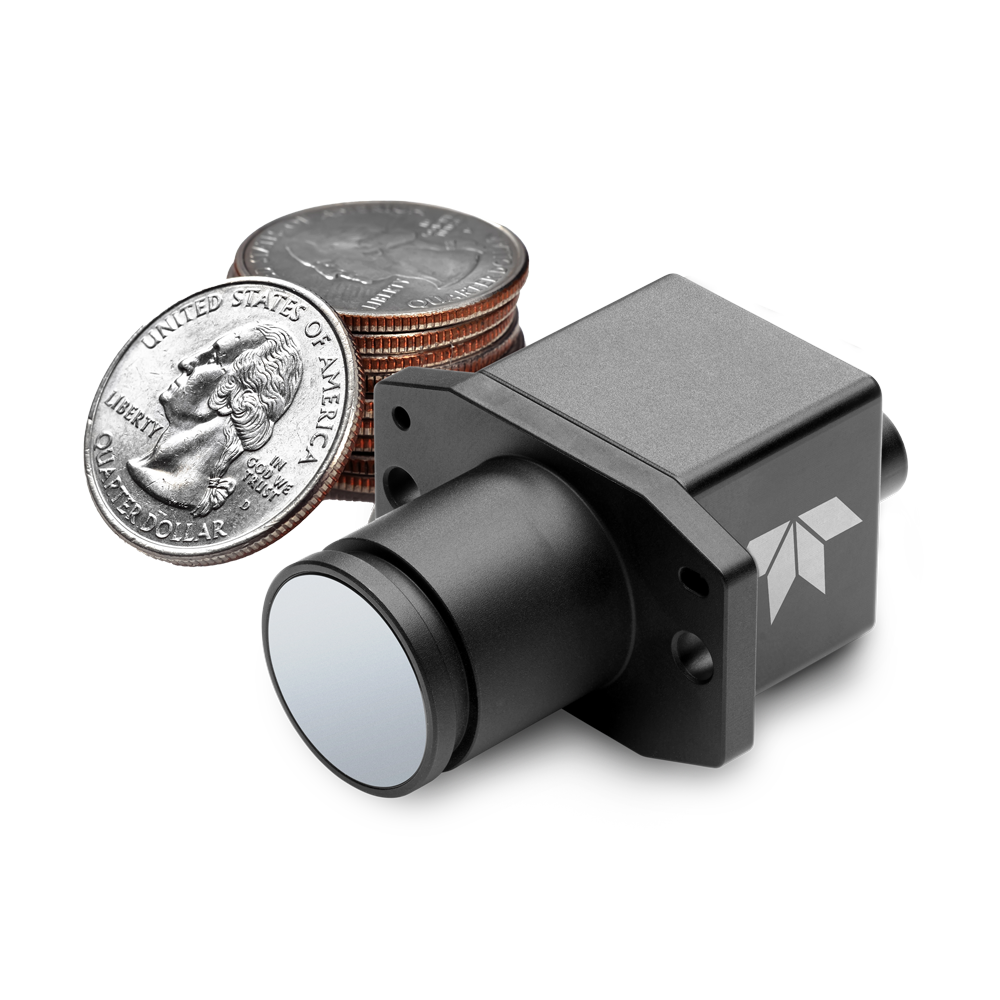
Tura is a 640 × 512 automotive-qualified LWIR thermal camera designed for ADAS, driver night vision, and autonomous platforms. Designed in accordance with ASPICE and ISO 26262 for ASIL-B functional-safety applications, Tura combines AEC-Q-qualified components, shutterless operation, an IP6K9K enclosure, and automotive video interfaces in a compact production camera. Review available configurations, fields of view, interfaces, production status, technical drawings, and integration resources on the Tura product page.
FREE Thermal Dataset for Algorithm Development
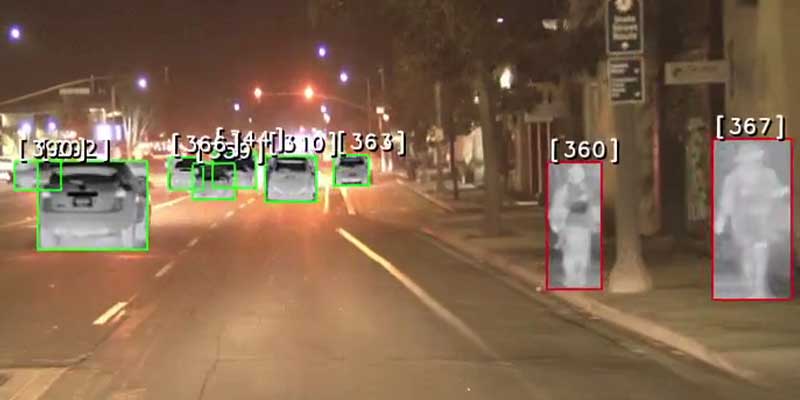
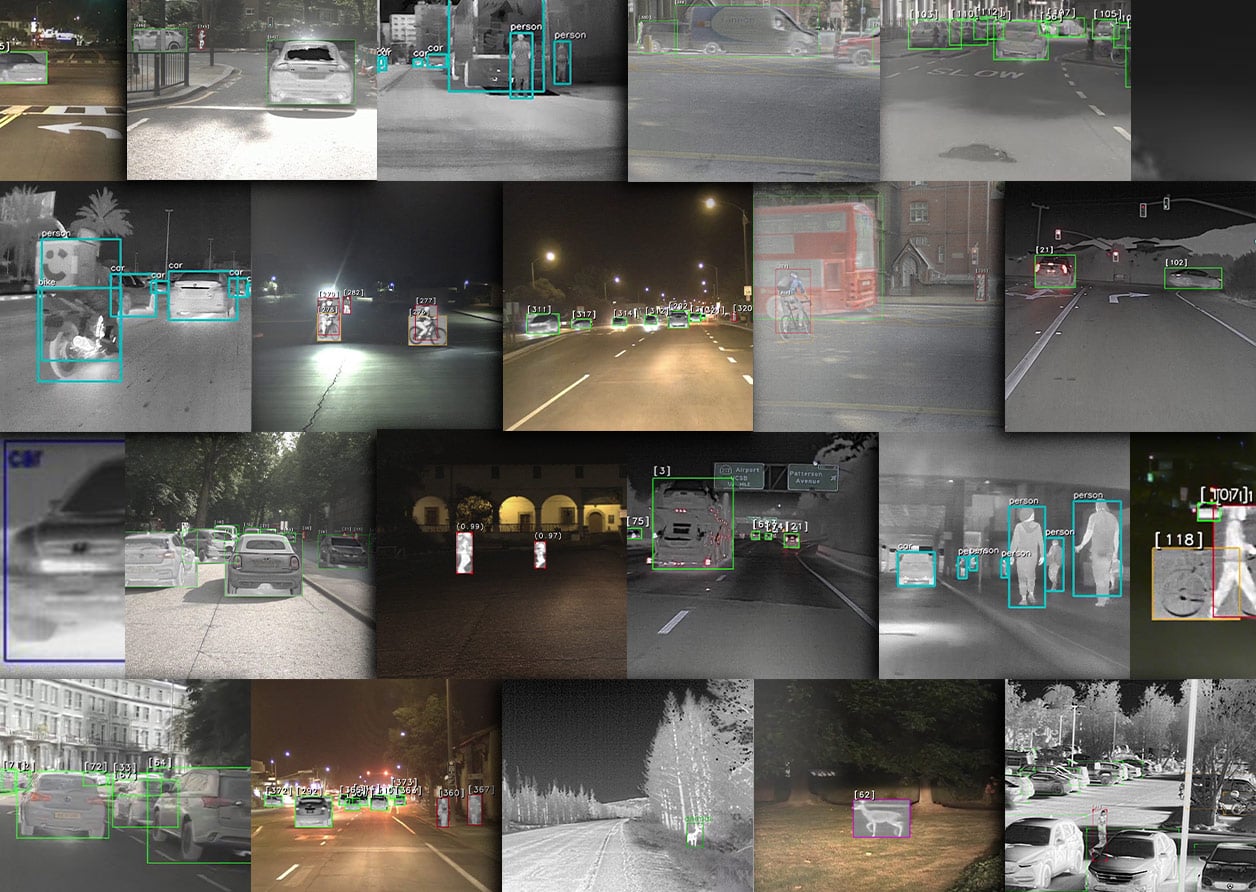
Evaluate object detection, classification, and sensor-fusion approaches using more than 26,000 annotated thermal and visible images captured during daytime and nighttime conditions. The dataset helps automotive developers begin algorithm evaluation before selecting and integrating production hardware. It includes annotated thermal and RGB imagery for a range of road-user and vehicle classes.
Integrate Thermal Cameras Faster with Prism AI
Prism AI - Auto provides object detection, classification, tracking, and visible-thermal sensor-fusion capabilities for automotive perception development. Perception engineers can use Prism AI - Auto as a development framework or reference implementation when evaluating thermal cameras for ADAS and autonomous vehicle systems. Camera calibration tools, visible-and-thermal fusion, and advanced image processing support faster evaluation and integration.
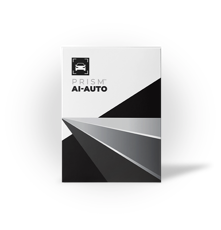
Prism AI - Auto
Detection and Tracking Software Framework for Automotive Perception System Development
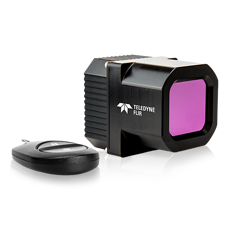
Start Testing with the Teledyne FLIR Automotive Development Kit
The Teledyne FLIR Automotive Development Kit provides a plug-and-play route for collecting thermal data and evaluating thermal sensing in ADAS and autonomous vehicle development programs. The kit includes a 640 × 512 Boson® thermal camera in a heated all-weather IP67 housing, with interfaces that support early system development before transitioning to an automotive-qualified production camera such as Tura.
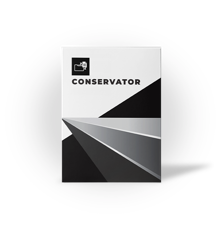
Accelerate AI Deployment with Conservator
Conservator™, an affordable, cloud-based dataset development software to help perception engineers accelerate AI development using thermal infrared and visible image datasets to train neural networks. Conservator includes dataset workflow tools for annotation, curation, quality assurance, and dataset version control to meet the demands of data scientists in automotive, defense, security, and smart cities applications.
How Thermal Cameras Enhance AEB Performance
See how adding Teledyne FLIR thermal sensors to autonomous vehicles and ADAS can make vehicles safer by improving perception and filling gaps created by other sensors.
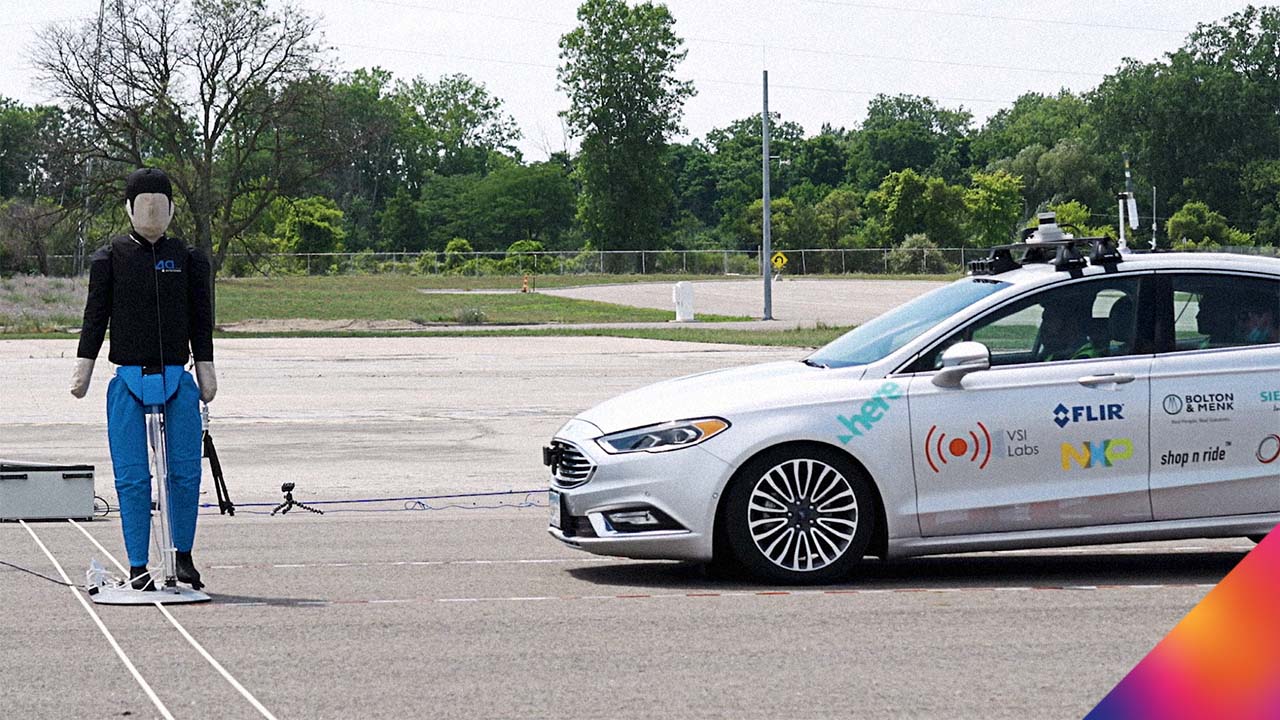
Automatic Emergency Braking Fused with Thermal Can Save Lives
Existing AEB systems are powered by radar and visible cameras and none feature a thermal imaging camera. In our tests, we showed that Teledyne FLIR thermal cameras and the Research Vehicle consistently stopped safely in challenging conditions.
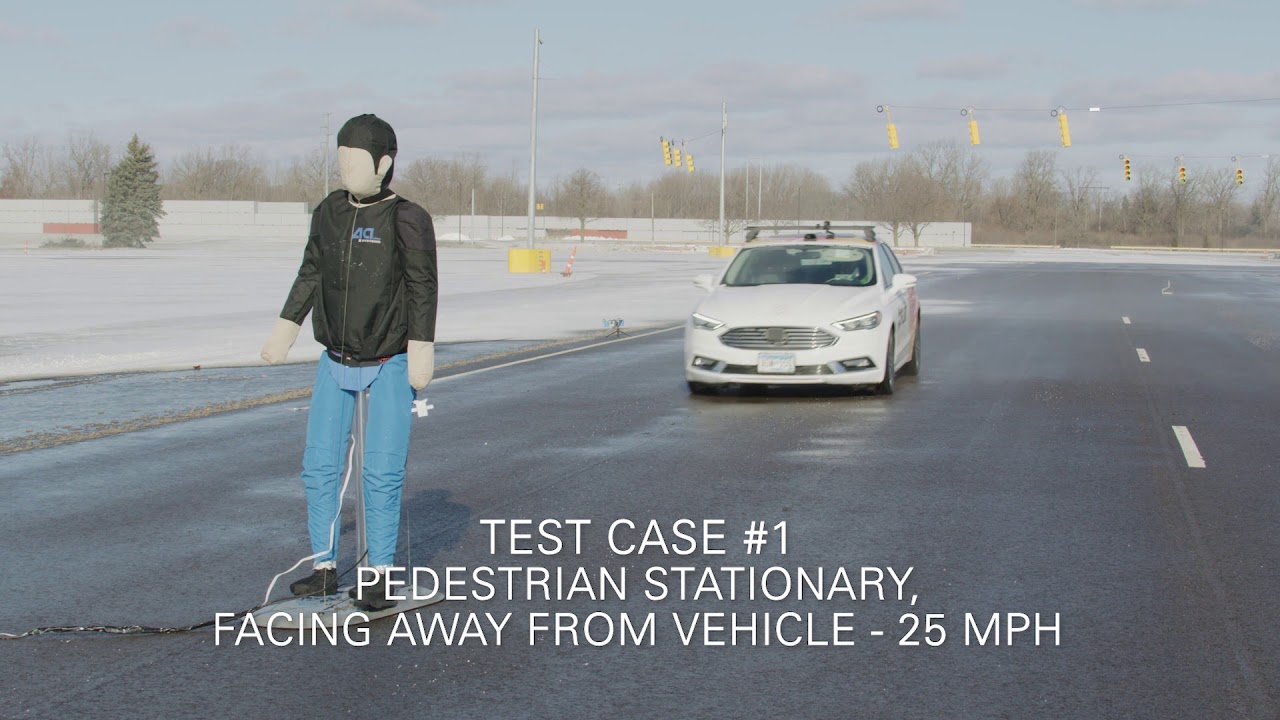
Testing Automatic Emergency Braking with FLIR Thermal Cameras
Three test cases were conducted in both daylight and darkness, giving six datasets and 35 total test runs using an adult Euro NCAP Pedestrian Target (EPTa). Test results were promising. In all runs for all six test cases, the AEB system successfully brought the VUT to a stop before reaching the EPTa.
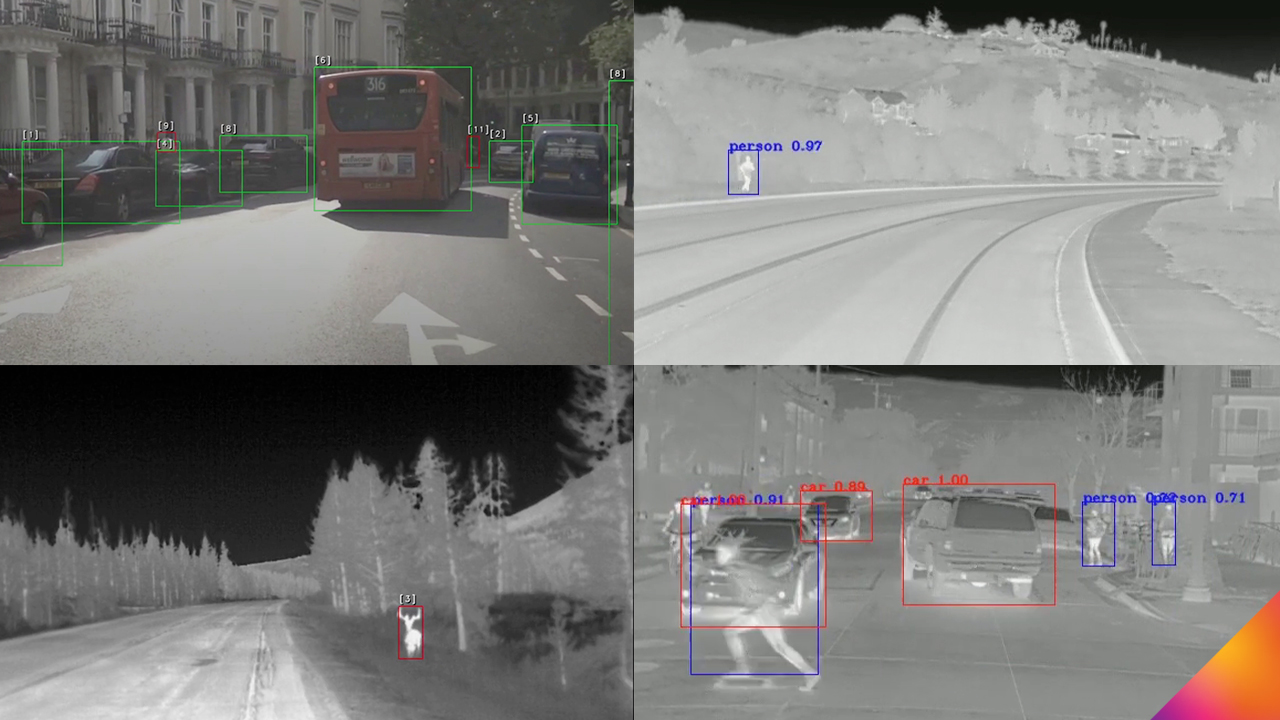
Creating Safer Roads of Tomorrow
Drive with clarity, even in the most challenging road conditions. Not one technology alone can create safer roads of tomorrow, but with the power of 3 sensor suites, achieve the impossible with thermal imaging.
Frequently Asked Questions
What is an automotive thermal camera?
An automotive thermal camera is a vehicle thermal camera that detects heat differences instead of reflected visible light. Automotive thermal imaging cameras can support vehicle night vision, ADAS, and other driver-assistance functions in darkness, glare, and other challenging visibility conditions.
Why use a thermal camera in an ADAS system?
Thermal cameras detect heat rather than relying on reflected visible light. This helps identify pedestrians, cyclists, animals, and other road users in darkness, headlight glare, sun glare, and many low-visibility conditions. Thermal sensing complements visible cameras, radar, and lidar.
Can thermal cameras help with FMVSS No. 127 performance?
VSI Labs tested a thermal-fused AEB research vehicle against FMVSS No. 127 scenarios during daytime and nighttime conditions. The test vehicle passed all scenarios conducted during the program. Production-vehicle performance depends on the complete sensing, software, integration, and braking architecture.
Which Teledyne FLIR OEM camera is designed for automotive production?
Tura is Teledyne FLIR OEM’s automotive-qualified production thermal camera. It is available with GMSL2 and FPD-Link interfaces and multiple horizontal fields of view.
What does Tura’s ASIL-B positioning mean?
Tura is designed in accordance with ASPICE and ISO 26262 for ASIL-B functional-safety applications. Vehicle-level compliance depends on the complete system architecture, software, integration, and safety case developed by the automotive manufacturer or Tier-1 supplier.
Does Teledyne FLIR OEM provide automotive development tools?
Yes. Automotive developers can use the Teledyne FLIR Automotive Development Kit, annotated thermal datasets, and Prism AI Auto software to collect data, evaluate thermal sensing, and develop perception algorithms.
Who is this page for?
This page is intended for vehicle OEMs, Tier-1 suppliers, and automotive development teams evaluating thermal sensing for ADAS, AEB, driver night vision, and autonomous platforms.
What technical and qualification information is publicly available?
Publicly available information includes product overviews, application content, test evidence, datasets, and product-page resources. Additional technical, qualification, or program-specific information may be available through Teledyne FLIR OEM for supported automotive programs.
How can I request automotive qualification information?
Contact Teledyne FLIR OEM with your application, program stage, interface requirements, functional-safety targets, anticipated production timing, and requested documentation. The automotive team can confirm the information and support available for your program.
How can I request automotive program information?
Teledyne FLIR OEM can discuss your application, program stage, functional-safety requirements, anticipated volume, integration needs, and requested qualification
Related Content
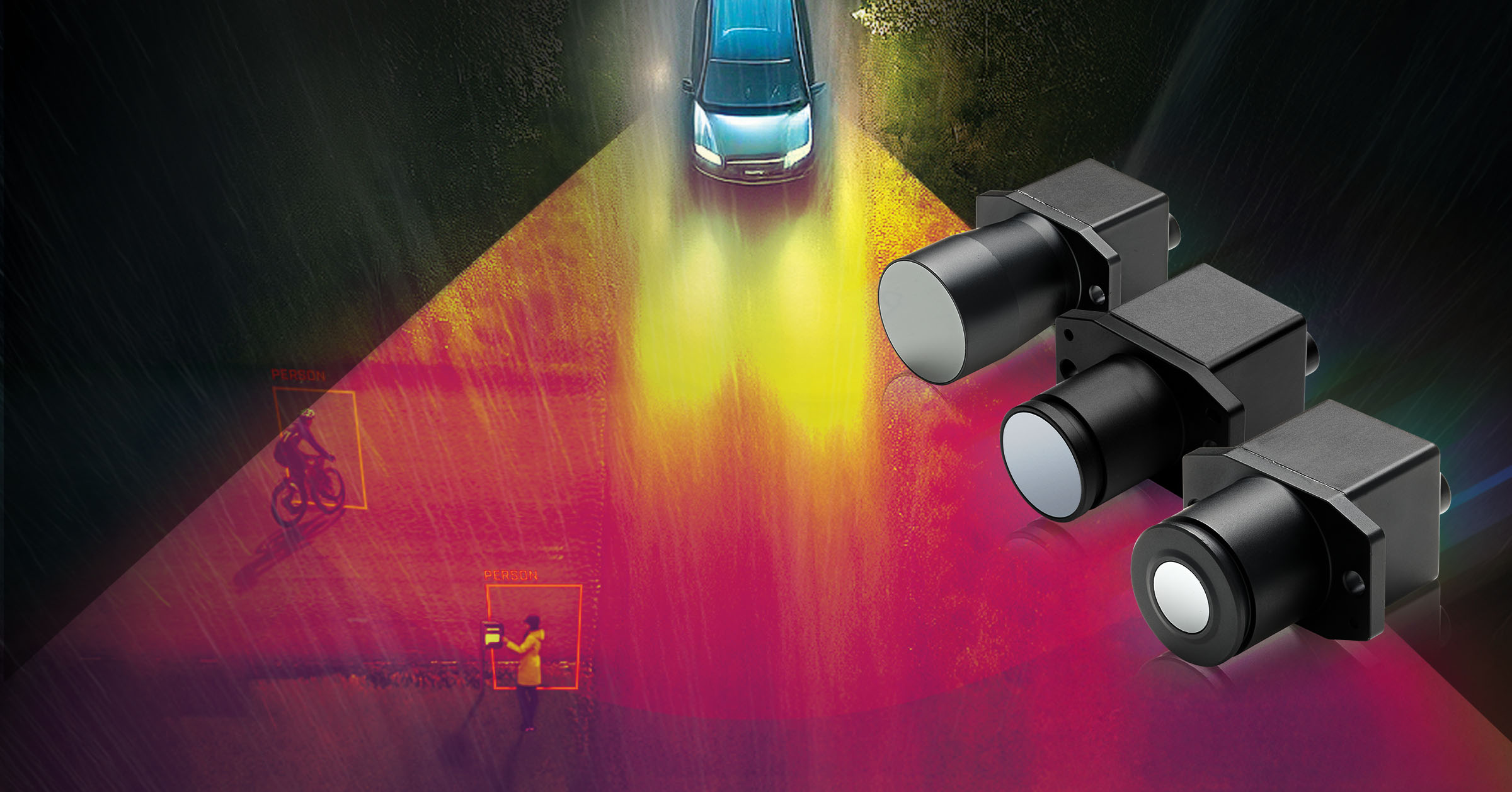
Teledyne FLIR OEM Debuts Tura Automotive-Qualified Thermal Camera at CES for AVs and ADAS
Read the story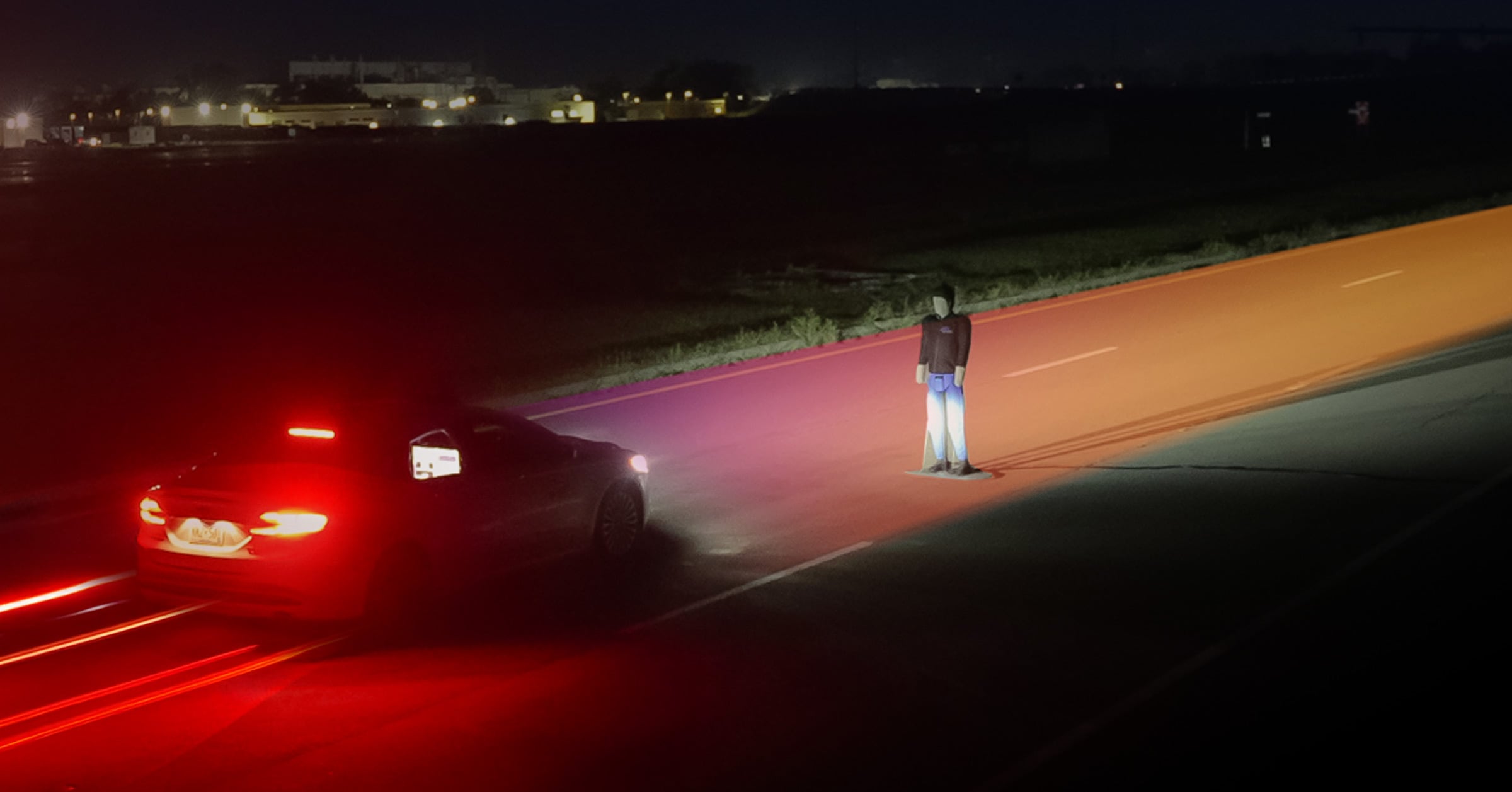
Teledyne FLIR and VSI Labs Testing Shows How Thermal Imaging Helps Vehicle Makers Meet Nighttime AEB Federal Safety Standards
Read the story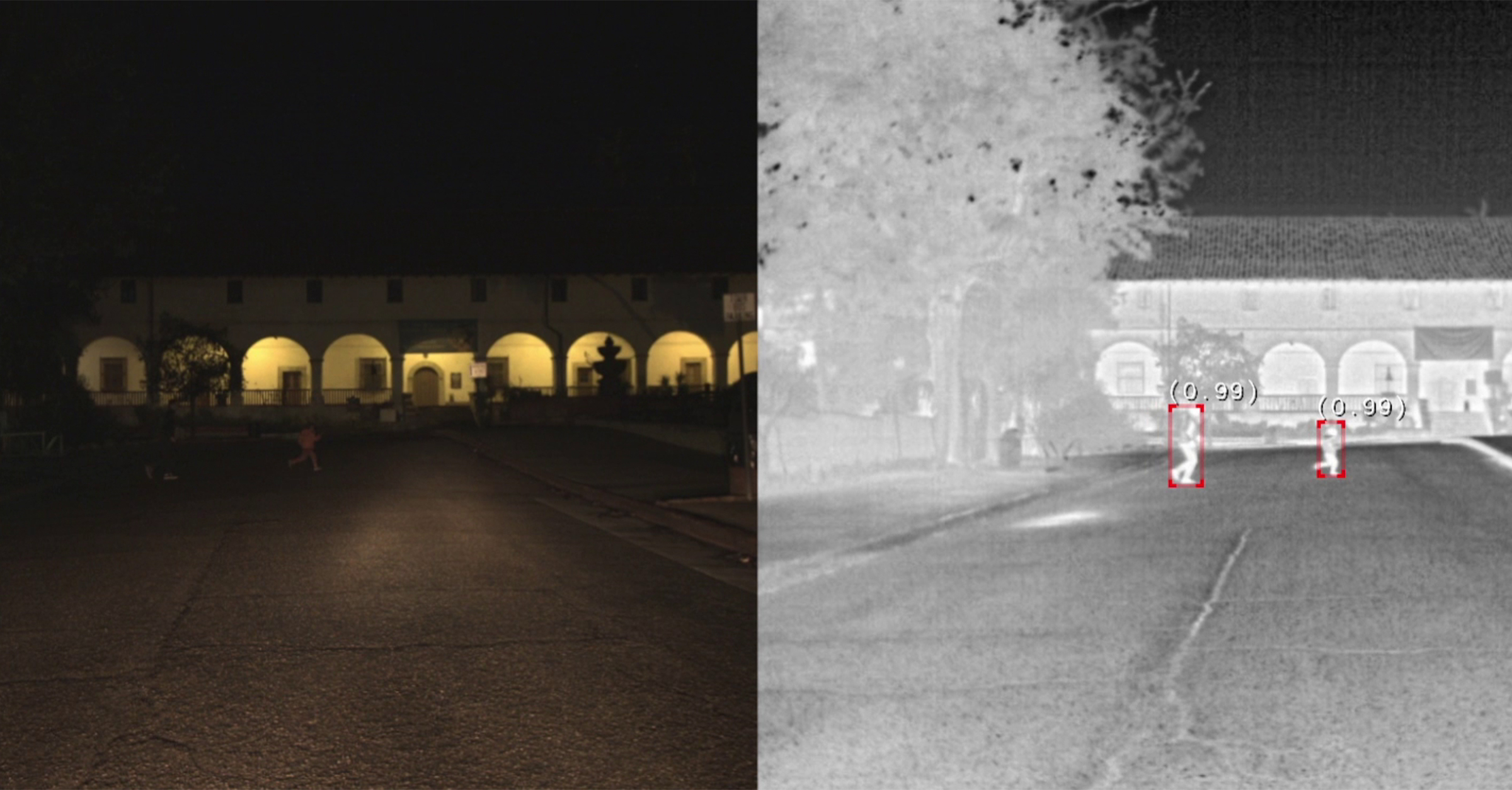
Teledyne FLIR Commends NHTSA Ruling for Automatic Emergency Braking Requirement on Passenger Vehicles
Read the story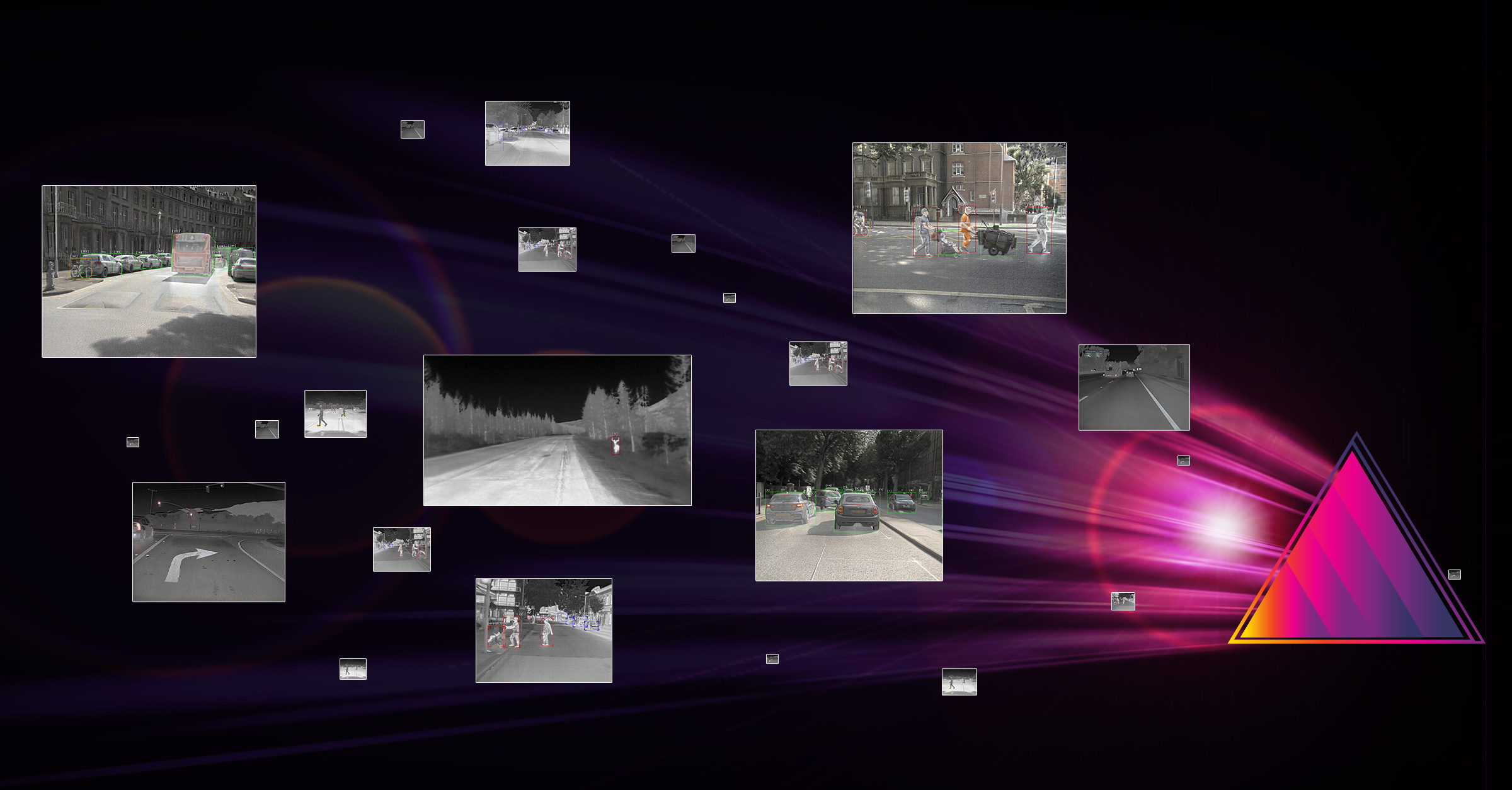
Teledyne FLIR Object Detection and Tracking Software Accelerates Thermal Camera Integration for ADAS and Autonomous Vehicles
Read the story
Join our mailing list!
Learn about new product announcements, free software / hardware tools, and articles written by OEM integration experts to keep you at the top of the product innovation game.