Defense Thermal Imaging Cameras
Advance Defense Mission Performance with Teledyne FLIR OEM Thermal Imaging
Teledyne FLIR OEM sets the standard for thermal imaging performance and Size, Weight, and Power (SWaP) optimization in defense applications. We provide high-resolution, AI-ready camera modules, infrared cores, and embedded software for integration into higher-level payloads, subsystems, platforms, and mission systems. Proven Commercial Off-The-Shelf (COTS) technology, rapid Modified Off-the-Shelf (MOTS) customization, defense integration experience, and scalable manufacturing help customers modernize fielded platforms and accelerate next-generation programs with lower technical and supply-chain risk.
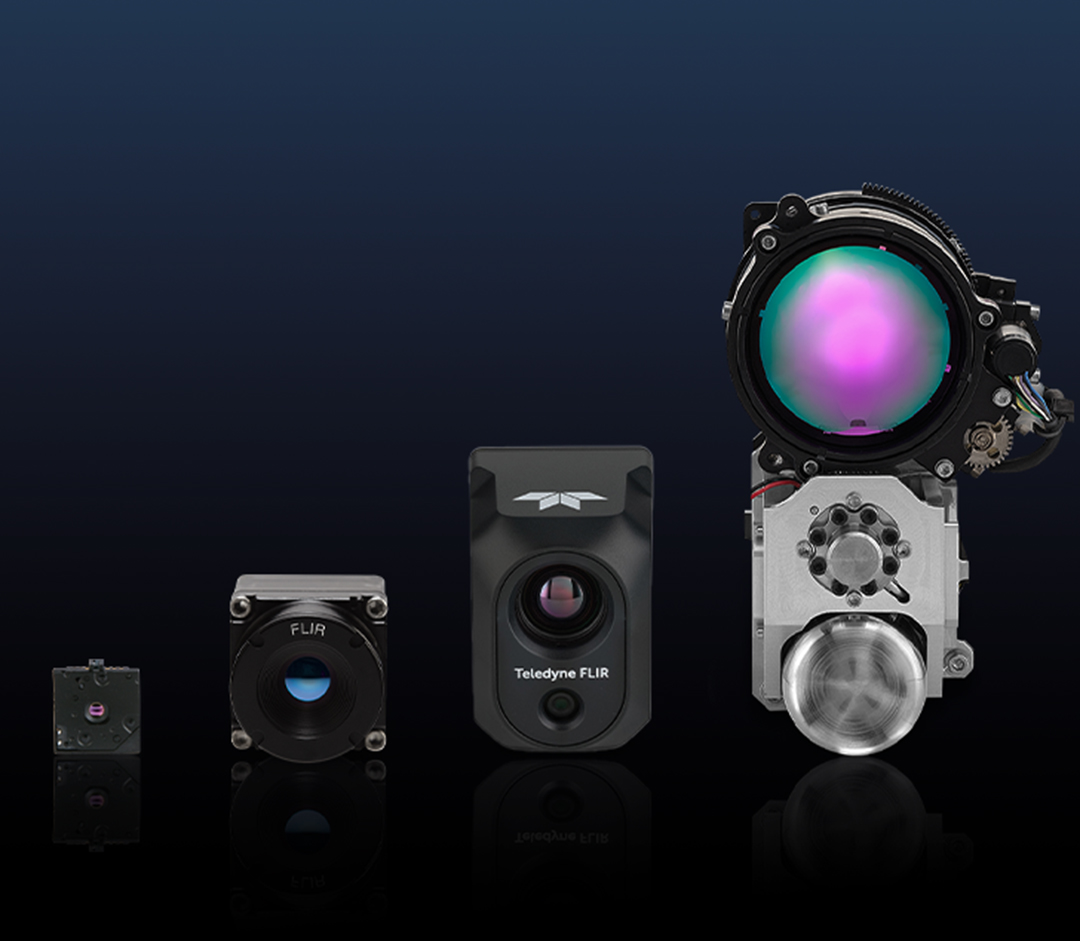
Our portfolio includes uncooled long-wave infrared (LWIR) modules, cooled mid-wave infrared (MWIR) cores, dual-sensor modules, and AI-enabled software designed as integration-ready building blocks for higher-level defense assemblies, payloads, and platforms. These field-proven components help OEM teams balance range, resolution, latency, interfaces, environmental requirements, and SWaP while reducing development risk.
Explore Defense Thermal Camera Modules and Infrared Cores
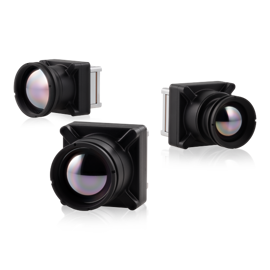
Boson SX8
1280 × 1024 Resolution, 8-micron, SWaP-Optimized LWIR Camera Module
- 1280 × 1024 Resolution
- ≤35 mK Sensitivity [NEdT]
- 24° to 50° HFoV
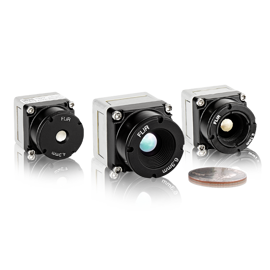
Boson+
High Performance, Uncooled, LWIR OEM Thermal Camera Module
- 320 × 256 or 640 × 512 Resolution
- ≤20 mK Thermal Sensitivity [NEdT]
- 4° to 95° HFoV
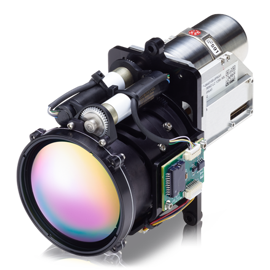
Neutrino IS Series
HOT MWIR Camera Module + Continuous Zoom Lens
- 640 × 512 or 1280 x 1024 Resolution
- Up to 27,000 Hours Cooler MTBF
- Up to 60 Hz
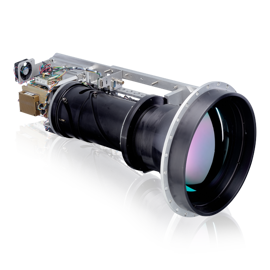
Neutrino ISR Series
MWIR Camera Module + Continuous Zoom Lens
- 640 × 512 or 1280 x 1024 Resolution
- Up to 27,000 Hours Cooler MTBF
- Up to 30 Hz
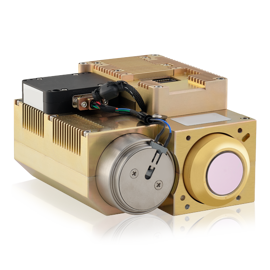
Neutrino® Performance Series
High Resolution MWIR Camera Cores
- 1280 x 1024 or 2048 × 1536 Resolution
- ≤30 mK sensitivity [NEdT]
- Lensless
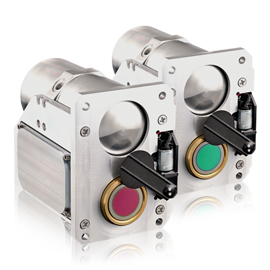
Neutrino SWaP Series
SWaP+C Optimized HOT FPA MWIR Camera Core
- 640 × 512 or 1280 x 1024 Resolution
- ≤38 mK sensitivity [NEdT]
- Lensless
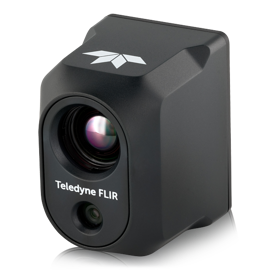
Hadron 640
High Performance, Dual Thermal and Visible OEM Camera Module
- 640 x 512 Thermal Resolution
- 64 MP Visible Camera
- Radiometry Available
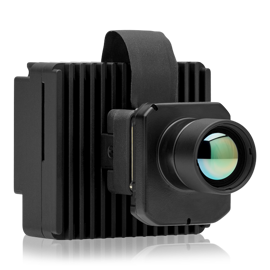
Boson+ IQ Development Kit
Reference Hardware Design and AI Software Development Platform
- 640x512 Boson+ thermal camera module interface
- Qualcomm® Dragonwing™ QCS8550 SoC
- Access Prism™ AI and ISP
Explore Defense AI Software
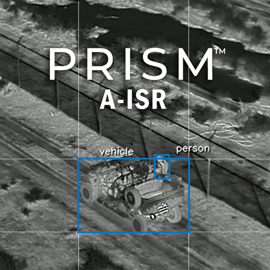
Prism A-ISR
Air-to-Ground Object Detection and Tracking Software
- Extended detection range, persistent tracking, fewer false alarms
- Native Boson+, Boson SX8, and Neutrino support for faster deployment
- Lower integration risk with production-ready tools and expert support
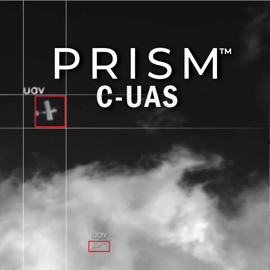
Prism C-UAS
Unmanned Aircraft System Detection and Tracking Software Stack
- Sub-2 × 2‑pixel small‑drone detection and tracking
- Multispectral‑trained AI delivers high‑confidence detection and classification
- Supports 14‑bit IR data
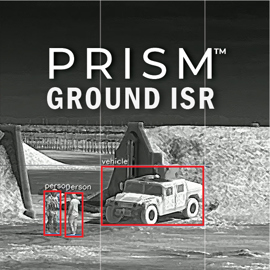
Prism Ground ISR
Ground Platform Object Detection and Tracking Software Stack
- Compatible with EO sensors, enabling multi sensor solutions
- Supports up to 15 object classes
- Accepts 14-bit IR data from Boson, Neutrino, and select third-party IR and EO sensors
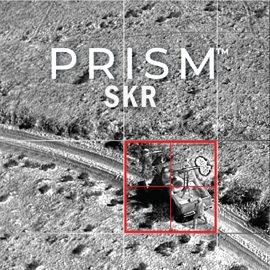
Prism SKR
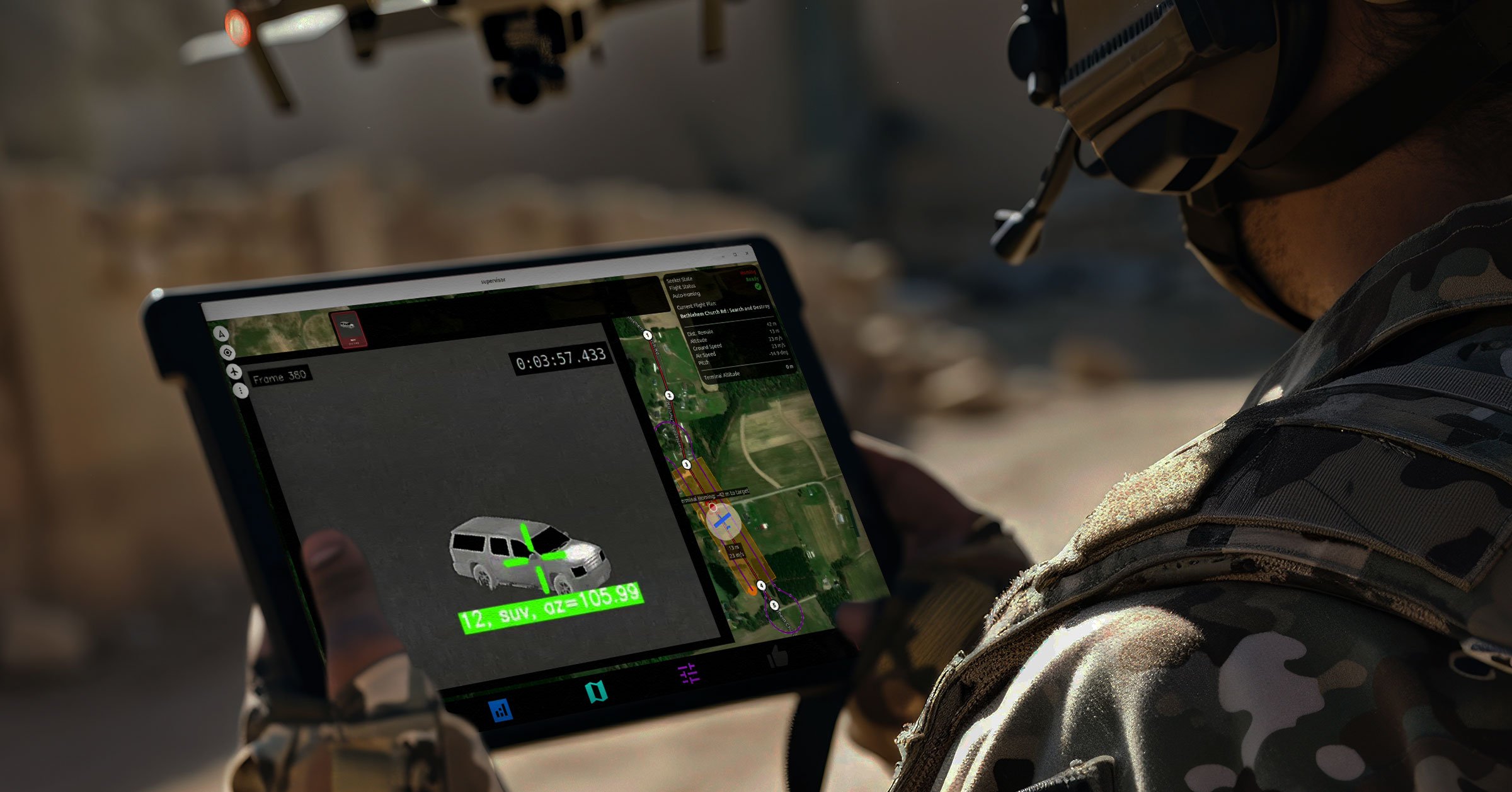
Integrated Seeker and Autonomy Software
- Accepts Thermal and Visible Imagery
- WOSA-Compliant Interfaces
- Compatible with Qualcomm or NVIDIA
Prism AIMMGen
Automated Synthetic Data Generation and AI Model Training Service
- 1M+ ITAR-Free Synthtetic Images
- Thousands of Civilian and Military Objects
- Vary Location, Target Type, Weather, and More
Prism AI
Object Detection and Tracking Software Libraries
- 40+ Detection Categories
- 4M Training Annotations
- Compatible with Qualcomm or NVIDIA
Prism ISP
Advanced Computational Image Processing Software
- Super Resolution, MSX, VividIR, and more
- Supports LWIR, MWIR, and Visible
- Compatible with Qualcomm or NVIDIA
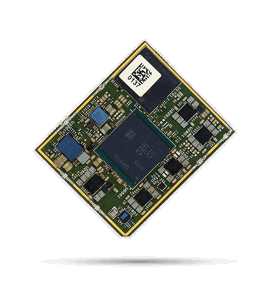
FLIR AVP
SWaP-Optimized SOM for Prism
- Qualcomm Dragonwing QCS8550
- 48 TOPS INT 8 AI Processor
- 2.5 W Typical
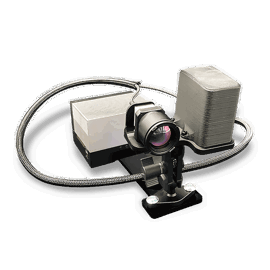
Prism SKR Evaluation Kit
AI-Powered ATR & Autonomous Target Tracking
- 5 class commercial model for initial Prism SKR evaluation
- Compatible Teledyne FLIR OEM Boson+
- Support for NVIDIA ORIN embedded hardware
Why Defense Integrators Choose Teledyne FLIR OEM
- Mission-ready portfolio: Thermal imaging components and AI software for ISR, targeting, fire control, C-UAS, seekers, launched effects, vehicle vision, unmanned platforms, and soldier systems.
- Vertically integrated optics: Factory-integrated camera modules and continuous zoom lenses improve through-zoom focus, boresight retention, image quality, and SWaP while reducing integration risk.
- Faster path to production: COTS-to-MOTS customization, application engineering, and volume manufacturing support rapid acquisition and an efficient transition from prototype to production.
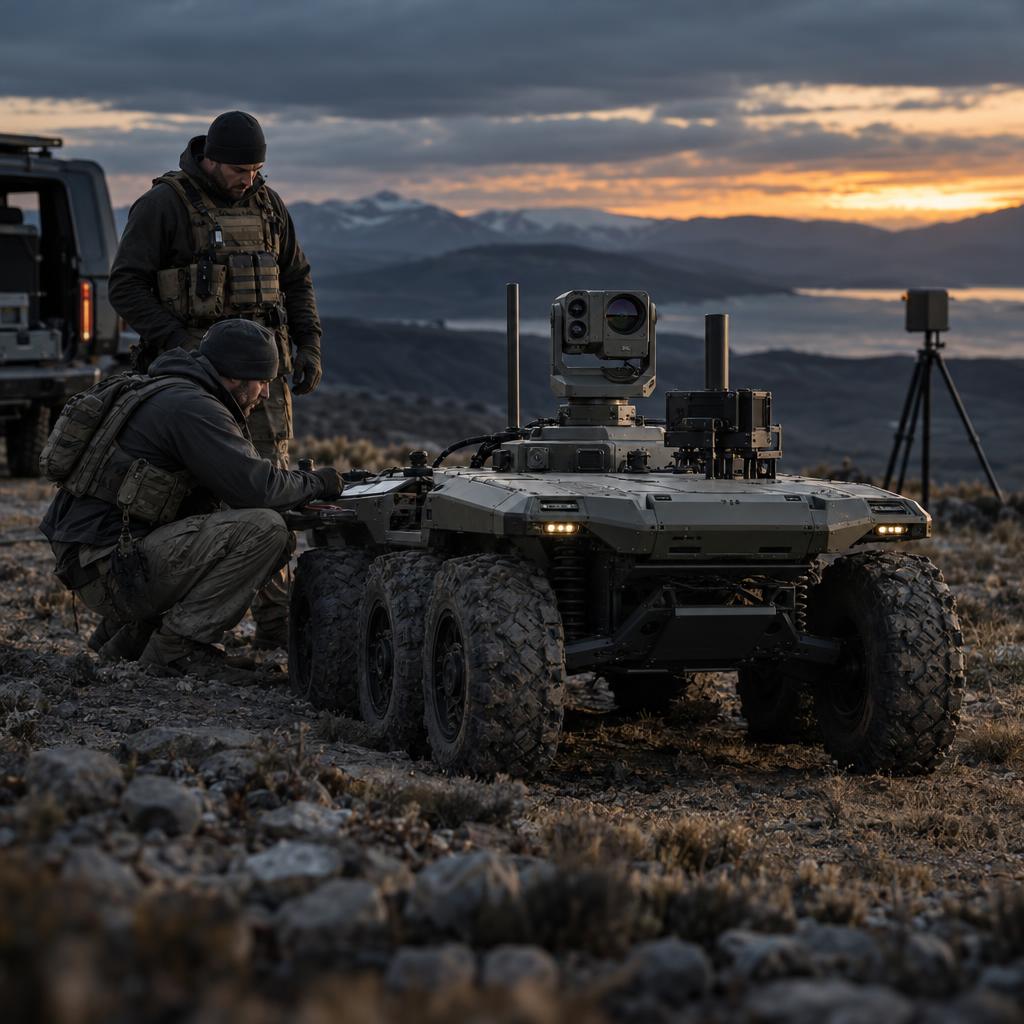
Selecting the Right Teledyne FLIR OEM Thermal Architecture
Start with the mission: required detection, recognition, and identification range; operating environment; platform constraints; autonomy needs; and path to production. These factors determine spectral band, detector format, sensitivity, field of view, frame rate, processing, interfaces, optics, packaging, and SWaP trade-offs.
Uncooled LWIR suits compact, power-constrained applications such as vehicle vision, soldier systems, unattended sensors, and small unmanned payloads. Cooled MWIR supports demanding long-range ISR, tracking, targeting, fire control, and seeker requirements where sensitivity, range, and advanced optics are priorities.
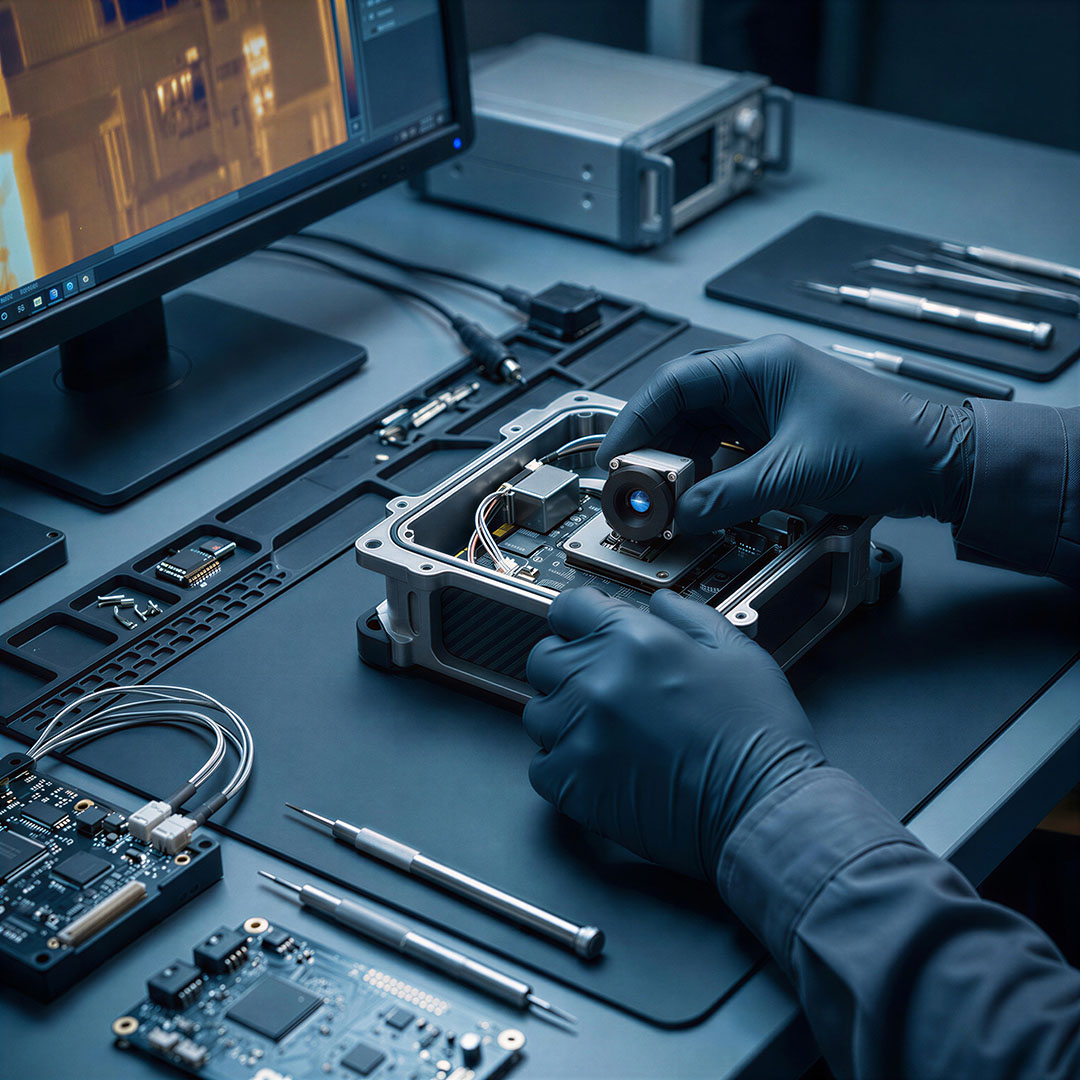
Teledyne FLIR OEM Lifecycle, Documentation, and Program Support
Teledyne FLIR OEM provides technical documentation, developer resources, application engineering, compliance and export information, lifecycle planning, and production-transition support. Product longevity, manufacturing scale, and supply continuity help integrators manage qualification, lead time, and sustainment risk.
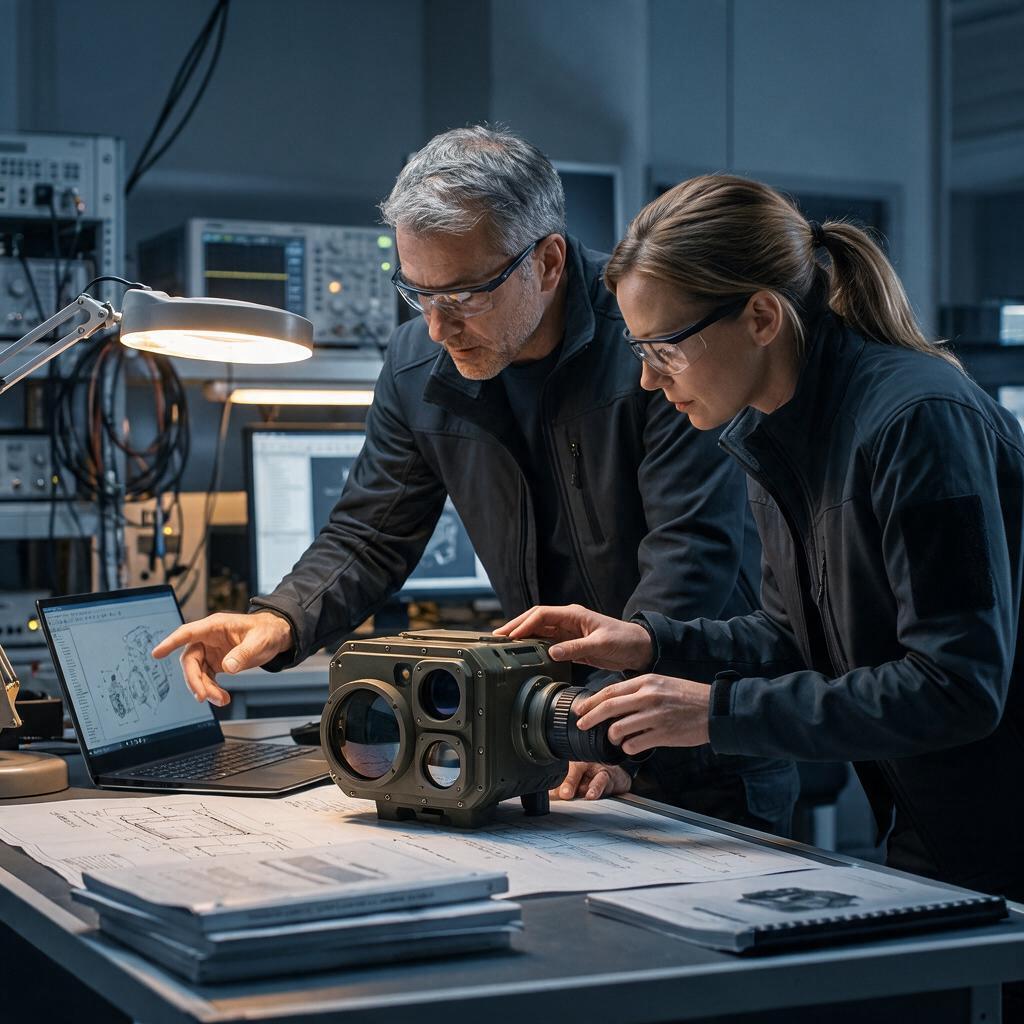
Official Product Family Resources
Explore Teledyne FLIR OEM product families—including Boson+, Hadron, Lepton, cooled infrared camera modules, continuous zoom lenses, and Prism AI software—to compare resolution, spectral band, SWaP, interfaces, processing, optics, and integration support. Detailed electrical, mechanical, optical, and software specifications are available on the corresponding product pages and in official documentation.
Frequently Asked Questions
What is the difference between LWIR and MWIR for defense applications?
LWIR commonly enables compact, uncooled designs for vehicle vision, unattended sensors, soldier systems, threat warning, and small unmanned payloads where SWaP and rapid integration are critical. Cooled MWIR is commonly selected for long-range ISR, tracking, targeting, fire control, and seeker applications that demand higher sensitivity and advanced optical performance. The right choice depends on mission range, environment, platform constraints, optics, and production requirements.
What is the difference between a thermal camera module, a camera core, and a finished system?
A thermal camera core contains the detector, electronics, and image processing needed to produce thermal imagery for integration into another system. A camera module may add optics, interfaces, packaging, embedded processing, or other sensors. A finished system adds the application-specific hardware, software, environmental protection, and controls required for deployment. Because the terms sometimes overlap, integrators should compare included components and qualification requirements.
How are Teledyne FLIR OEM products used in defense platforms?
Defense OEMs integrate our thermal imaging components and software into higher-level payloads, vehicles, weapon and threat-warning systems, unmanned platforms, maritime sensors, and soldier systems. Selection depends on mission range, spectral band, resolution, optics, interfaces, processing, environmental requirements, and SWaP.
What does Teledyne FLIR OEM’s nontraditional defense contractor status mean for defense programs?
As a U.S.-based, nontraditional defense contractor (NTDC), Teledyne FLIR OEM can support Other Transaction Authority (OTA) and other rapid acquisition pathways. This can help government and industry teams adapt proven commercial technology and move efficiently from prototype to production. Available pathways depend on program and contracting requirements.
How does thermal imaging support defense modernization?
Integration-ready thermal imaging and AI software help programs upgrade sensing, autonomy, targeting, threat detection, and situational awareness without redesigning every component. Proven COTS and MOTS technology can accelerate upgrades to fielded platforms and reduce risk in next-generation systems.
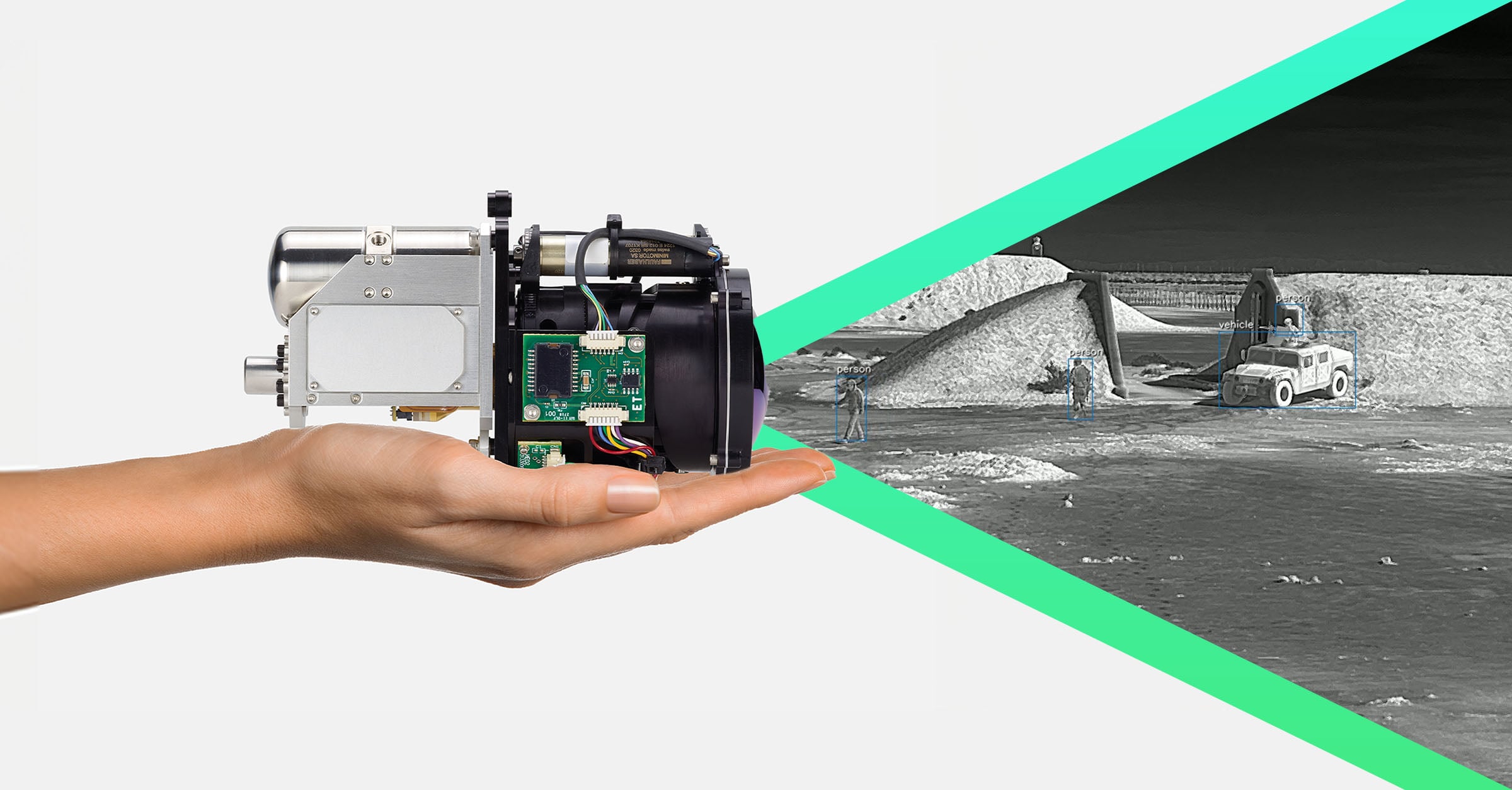
Small Pixel IR Sensors: Optimizing SWaP-C and Performance for Mission-Critical Applications
Learn more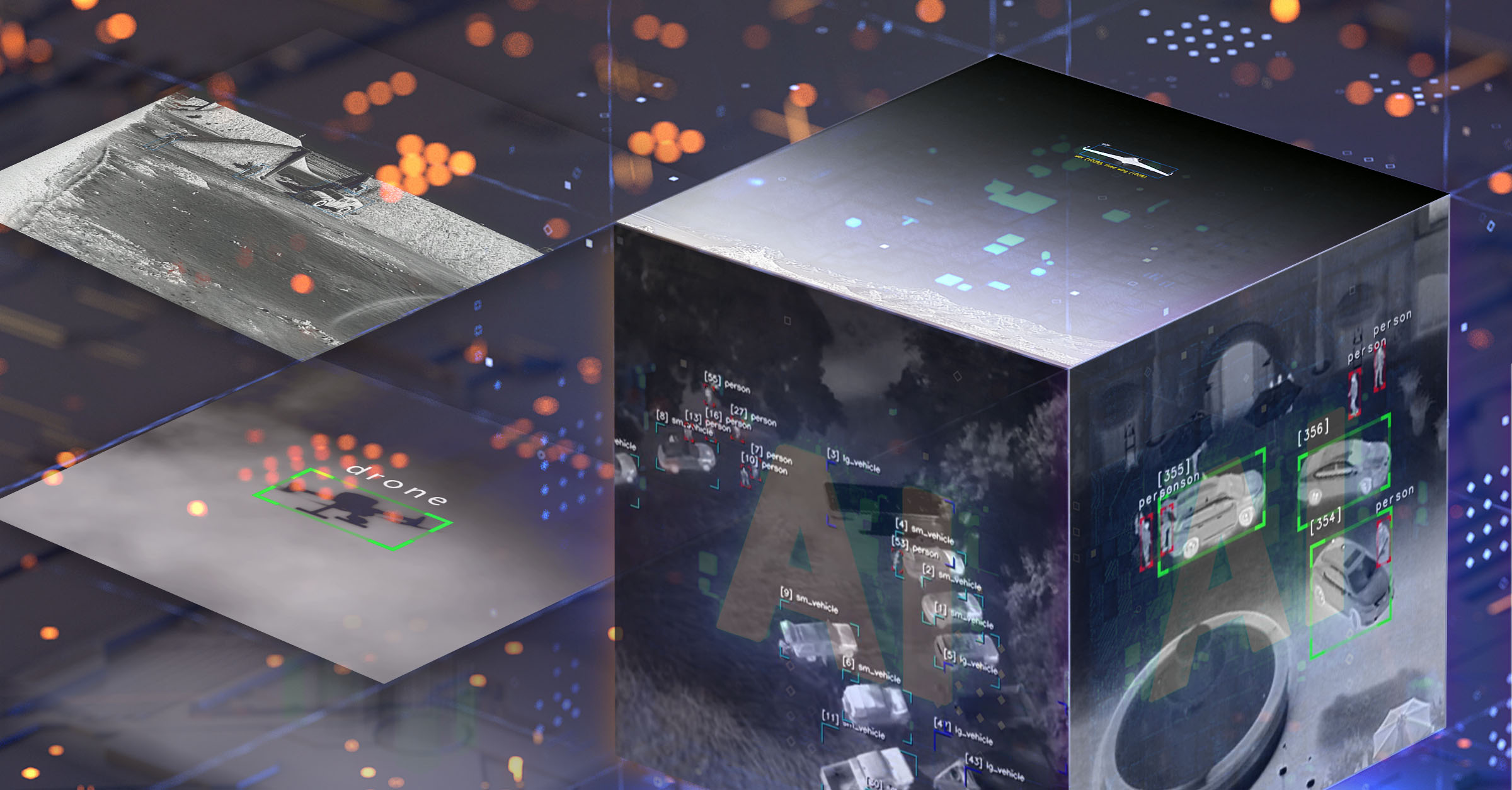
Beyond Embedded AI: Optimizing the Thermal Perception Pipeline from Sensor Data to Edge Deployment
Learn more
Using Synthetic Data to Accelerate AI Perception Model Development for Object Detection
Learn more